

Comprehensive Pest Control Guide
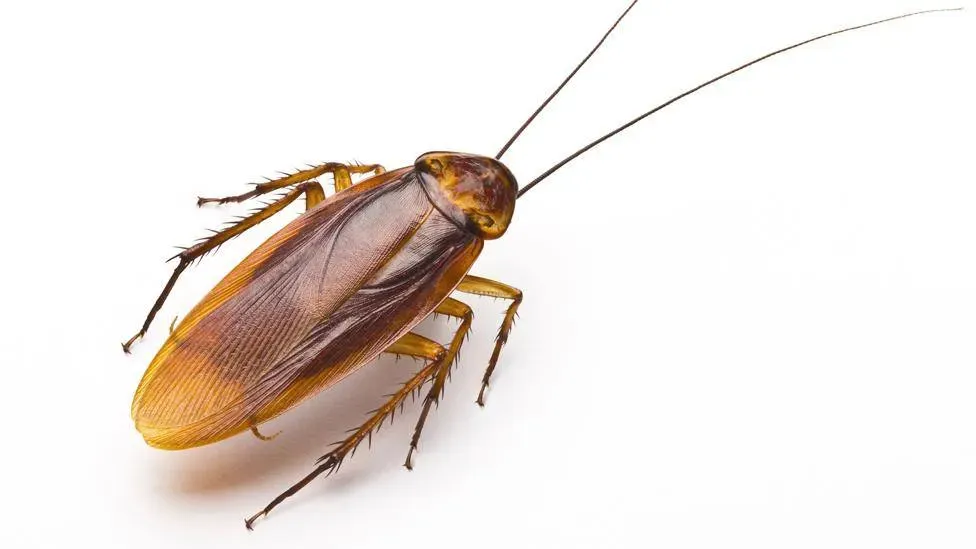
Cockroach Control
Introduction & Background
Cockroaches (Order Blattodea) are ancient insects that have adapted to live wherever humans dwell. They are omnivorous scavengers and can thrive in urban environments due to abundant food, moisture, and shelter. Certain species, such as the German cockroach (Blattella germanica), have developed resistance to many insecticides used historically.
How to Spot Them
Common signs include:
- Sightings of live cockroaches, especially at night.
- Fecal droppings resembling coffee grounds.
- Shed exoskeletons and musty odor in heavy infestations.
These signs indicate that a population is established.
Latest Research & Developments
Recent research highlights the effectiveness of non-insecticidal control methods, such as baits using baking soda with food attractants, which significantly increased cockroach mortality in controlled settings compared to untreated controls.
Integrated Pest Management (IPM) strategies, emphasizing sanitation, exclusion, and monitoring, are now widely recognized as superior to insecticide-only programs — reducing pests sustainably while limiting chemical exposure.
Prevention & Control
- Sanitation and exclusion — eliminate food/water sources and seal cracks and entry points.
- Monitor with traps — sticky traps and pheromone lines to detect population spread.
- Targeted baits and IGRs — slow-acting baits can reduce populations.
- Professional IPM — combining regular monitoring, structural fixes, and minimal pesticide use achieves long-term control. Environmental Health Perspectives
Rodent Control
Origins & Why They Persist
Rodents such as rats and mice thrive in human settlements where there are abundant food sources and harborages. Their prolific breeding and ability to exploit tiny openings into buildings make them persistent pest species. MBI PRH
How to Spot Them
Signs of rodent infestation include:
- Rodent droppings near food or storage areas.
- Gnaw marks on wood and wires.
- Noises in walls or ceilings at night.
Recent Insights
IPM programs that reduce pest entry, remove food sources, and use traps have been shown to reduce rodent populations and allergens more effectively than traditional pesticide use. Environmental Health Perspectives
Prevention & Control
- Sealing entry points — gaps around utilities, doors, and pipes.
- Eliminate food access — store food in sealed containers.
- Trapping strategies — snap traps, electronic traps, and bait stations.
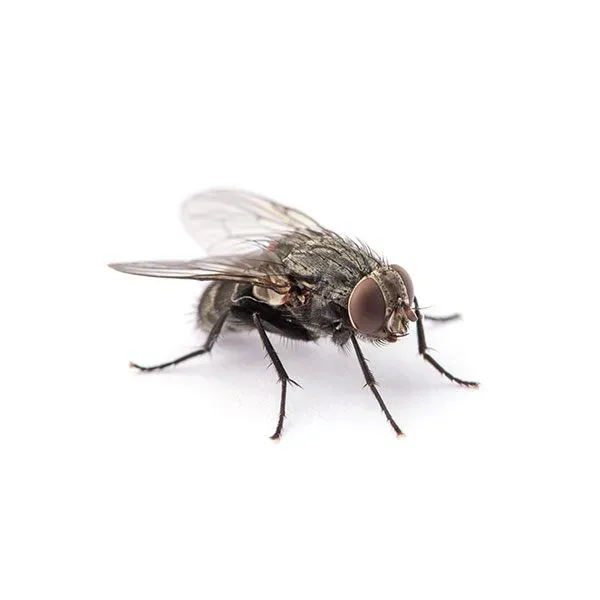
Fly Control
Origins & Biology
Flies exploit organic waste and decaying matter to complete their life cycles. In urban settings, food waste and improperly covered refuse provide ideal breeding sites. Northern Illinois University
How to Spot Fly Issues
– Frequent fly activity around garbage and food sources.
– Presence of maggots (fly larvae) in organic waste.
Control & Prevention
- Sanitation — clean waste bins and remove breeding substrates.
- Screens and barriers — fine mesh on windows/doors.
- UV light traps — placed near entry points (not over food).
Ant Control
Origins & Behavior
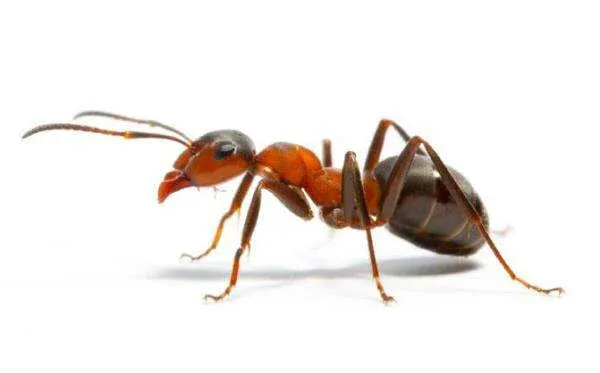
Ants are social insects that forage for food and leave chemical trails which recruit others to resources. Urban food waste and sugary spills attract ant colonies.
How to Spot Them
– Trails of ants moving toward food sources.
– Nests in wall voids, soil, or under pavement.
Prevention & Control
- Remove attractants — clean spills immediately.
- Sealing entry points — around windows and foundations.
- Baits — multiple bait types to increase uptake.
Termite Control
Origins & Damage
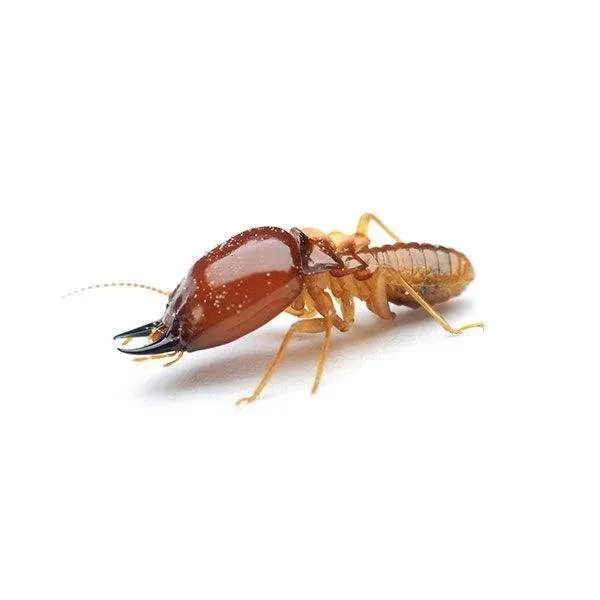
Termites are social insects feeding on cellulose (wood) and evolved to break down organic material. Their presence in structures leads to significant economic damage globally. ScienceDirect
How to Spot Them
– Mud tubes on foundations and walls.
– Hollow sounding wood.
– Swarmers or discarded wings.
Latest Advances
Biological control using entomopathogenic fungi and molecular techniques could improve termite control while reducing environmental pesticides. ScienceDirect
Prevention & Control
- Reduce moisture and wood contact with soil.
- Install termite bait systems and monitor them regularly.
- Professional soil barriers around structures.
Bed Bug Control
Origins & Resurgence
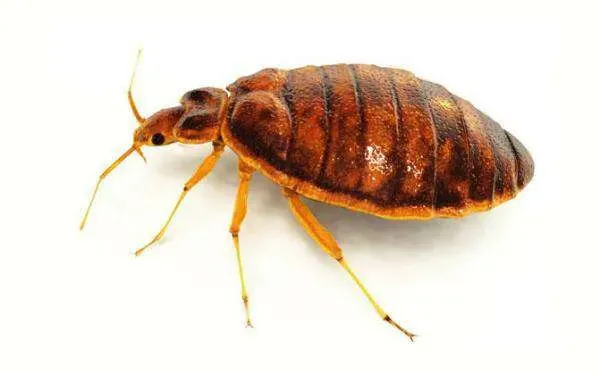
Bed bugs (Cimex spp.) have co-existed with humans for millions of years and resurged in recent decades due to global travel and resistance to some insecticides.
How to Spot Them
– Itchy welts on skin after sleeping.
– Blood stains or dark fecal spots on sheets.
– Live bugs in mattress seams.
Recent Research
Review articles document that bed bugs now show resistance to certain chemical classes, making non-chemical and IPM strategies essential. Annual Reviews
Prevention & Control
- Declutter and vacuum cracks.
- Heat treatments and encasements on bedding.
- Professional monitoring and targeted treatment.
General Integrated Pest Management (IPM)
Definition
IPM is a science-based decision framework that integrates physical, biological, cultural, and chemical methods to control pests effectively and sustainably, minimizing risks to health and the environment.
Key Principles
- Monitoring & Inspection — assess pest presence and severity.
- Prevention — sanitation and exclusion to reduce pest entry.
- Control tactics — use baits, traps, biological controls, and minimal pesticides as needed.
Effectiveness
Studies show that IPM programs significantly reduce pest populations and allergen levels with less reliance on frequent pesticide use compared to conventional methods. Environmental Health Perspectives