What You Need to Know About Rodent Risks at Home
Pest Control in Eastern Cape Homes
A rat in the roof is usually filed under “gross, but manageable.” A few scratches at night. A chewed packet in the cupboard. Maybe a quick dash across the floor that convinces everyone to stand on a chair for no good reason.
But there’s a line where a nuisance becomes a health risk—and that line is crossed when rats are living close enough to people that bites become possible, especially at night. While mainstream news coverage of specific 2025–2026 cases of rats biting sleeping children inside homes in South Africa isn’t easy to find, the underlying risk is not a myth or an urban legend. Past South African reports and research on animal-bite injuries show rat bites do happen—most often indoors, and most often affecting young children in settings where housing and sanitation conditions make rodent infestations hard to control.
Here’s what the evidence suggests, why some communities carry more risk than others, and what practical prevention looks like before a situation turns serious..
What research shows about rat bites
Even though not every incident becomes a headline, medical research provides an important reality check: rat bites are recorded injuries, and they’re not evenly distributed across the population. Studies analyzing animal-bite injuries have found that:
- rat bites occur mostly inside the home, not outdoors, and
- children under five are among the most affected groups.
In at least one South African study on bite injuries, a very large proportion of rat bites happened indoors (figures reported as high as 89%). That pattern fits what has surfaced in earlier local reporting from township contexts—where residents have, at various times, described children being bitten in houses in places such as Khayelitsha.
The key point is not whether one particular recent incident went viral. It’s that both research and past reporting point in the same direction: when rodent populations are high and living spaces are easy to enter, bites can occur—and they are a real public-health concern.
Why some neighborhoods feel this problem more than others
Rodent pressure isn’t random. Rats go where the basics are easy: food, shelter, and access. Pest-control operators and researchers consistently see higher risk where the following overlap:
- Reliable food sources
Unsecured household waste, dumping hotspots, outdoor pet food, and spilled animal feed can keep rat populations well-fed—and breeding. - Reliable shelter
Clutter, dense vegetation, debris, roof voids, and storage areas create safe nesting space. - Reliable access
Small building gaps matter: under doors, around pipes, behind cupboards, broken vents, damaged roof edges, or open drains. - High-density living
In flats, shared walls and ceiling voids can become rodent “highways.” In informal settlements, structural gaps and limited waste infrastructure can make prevention harder even when residents are doing their best.
In some communities—such as Alexandra in Johannesburg, often mentioned in long-running resident complaints about rats—rodent issues have been described for years. The longer an infestation persists, the more likely it is to escalate from “damage and noise” to direct contact.
Why bites (when they happen) are more likely at night
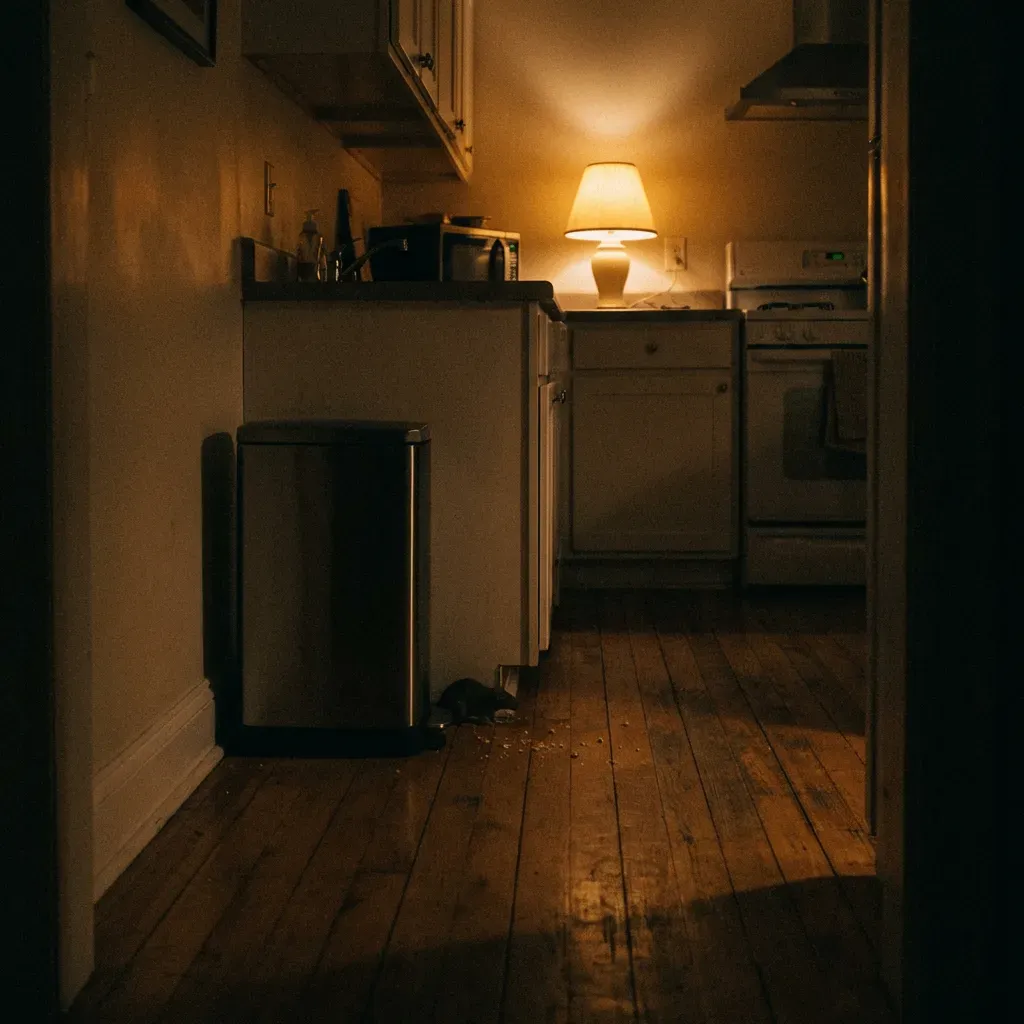
Rats are nocturnal. People are not. That mismatch explains a lot. When a household has a serious infestation, night-time creates the perfect conditions for close contact:
- people are asleep and still, so they don’t deter animals moving through the room
- kitchens and bins can hold overnight residues
- rats follow fixed travel routes along walls, pipes, ceilings, and behind appliances
- heavy infestations can lead to bolder behavior, especially if food competition is high
Children can be more vulnerable simply because they’re smaller, sleep deeply, and may have crumbs, sweet drinks, or snacks nearby. It’s also important to keep this in proportion: bites are far less common than infestations. But if rats are living inside a structure and moving freely at night, the risk is real.
View our about us to learn more About
The real cause: access, not bad luck
When people see a rat indoors, it can feel like a freak occurrence—like it “just appeared.” In reality, rats usually enter the same way water leaks do: through predictable openings.
Common entry points found during inspections include:
- gaps under external doors (missing or worn door sweeps)
- unsealed holes around pipes under sinks and behind appliances
- broken air bricks, damaged vents, or cracked exterior plaster
- roofline gaps around fascia/soffits, or broken tiles/sheeting edges
- poorly covered drain outlets
- shared ceiling voids in multi-unit housing
Once inside, rats often nest out of sight—in roof voids, wall cavities, or behind cupboards—and emerge nightly to feed.
What prevention looks like when it’s done properly (Integrated Pest Management)
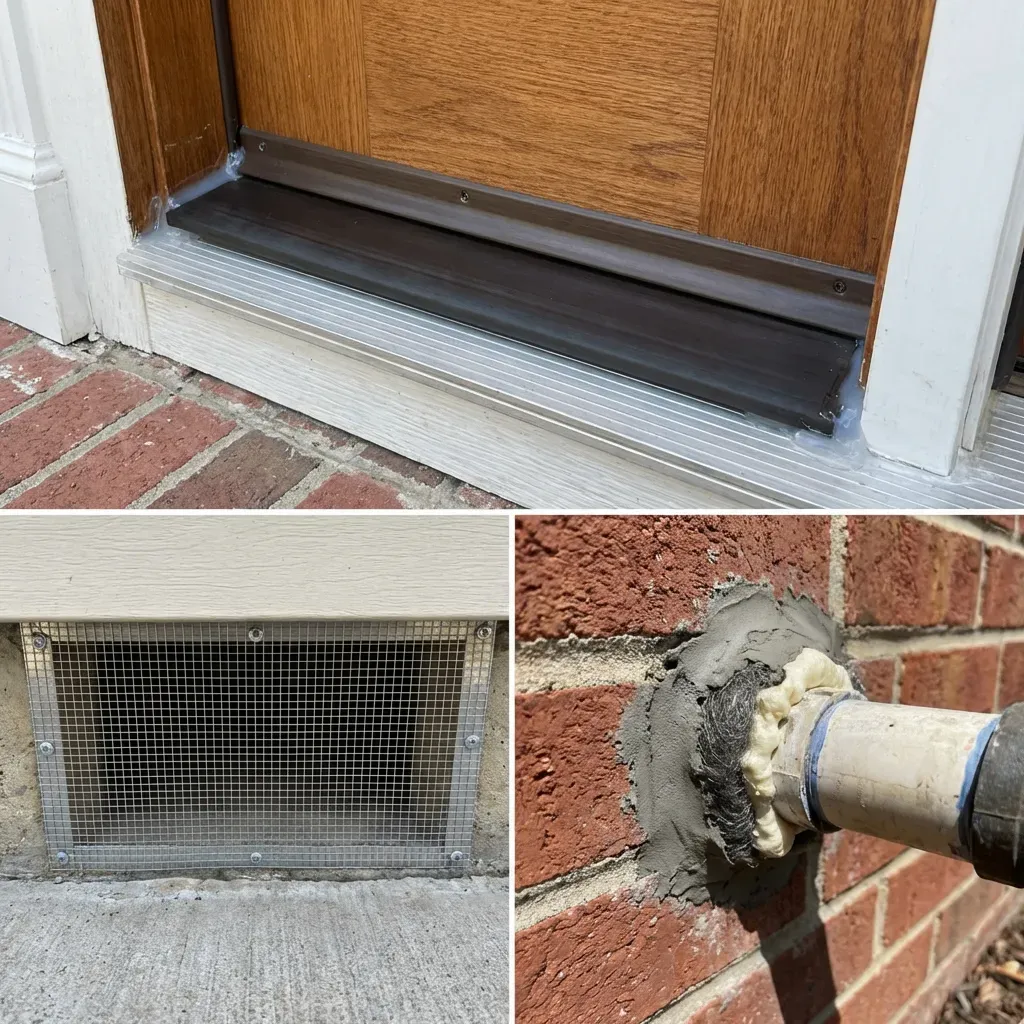
After a scary sighting, many households reach for the quickest fix: poison, sprays, “just something today.” Professionals generally recommend Integrated Pest Management (IPM) because it tackles the cause, not only the symptoms.
Exclusion (proofing)
- Seal entry points around doors, pipes, vents, and rooflines.
- Repair structural breaks rats use as access routes.
Sanitation and waste control
- Use lidded bins; avoid putting bags out too early.
- Clean food residues under stoves and refrigerators.
- Store dry foods in hard containers with tight lids.
- Remove fallen fruit and secure animal feed.
Targeted control
- Place traps/baits on confirmed rat routes, not random corners.
- Use safe placement practices—especially around children and pets.
- Confirm activity is dropping week by week.
- Adjust based on evidence, not guesswork.
The principle is simple: if rats can’t enter and can’t feed, the problem collapses.
What prevention looks like when it’s done properly (Integrated Pest Management)
A rat bite isn’t just a scratch. It’s a puncture wound and should be treated seriously.
General medical guidance emphasises:
- washing the wound immediately with soap and clean running water, and
- getting prompt medical assessment—especially for children—because clinicians may need to address infection risk and tetanus status (and sometimes antibiotics).
The takeaway
Even without a widely circulated 2025–2026 headline, the evidence is clear: rats do bite indoors, and the risk increases where infestations are severe and living conditions allow rodents to move freely inside homes. The good news is that bites are not “inevitable.” With early action—proofing, better waste control, and targeted professional treatment—households can dramatically reduce rodent activity and the risks that come with it.