Roaches aren’t drawn to “mess” in the way we tend to think about it. They’re drawn to moisture, warmth, shelter, and easy access. Cleanliness helps, but it’s only one piece of the puzzle. A home can be immaculate and still have a small plumbing drip under the sink, condensation forming near a pipe, or a warm motor behind the refrigerator—exactly the kind of environment roaches love.
Why a clean home can still be attractive to roaches
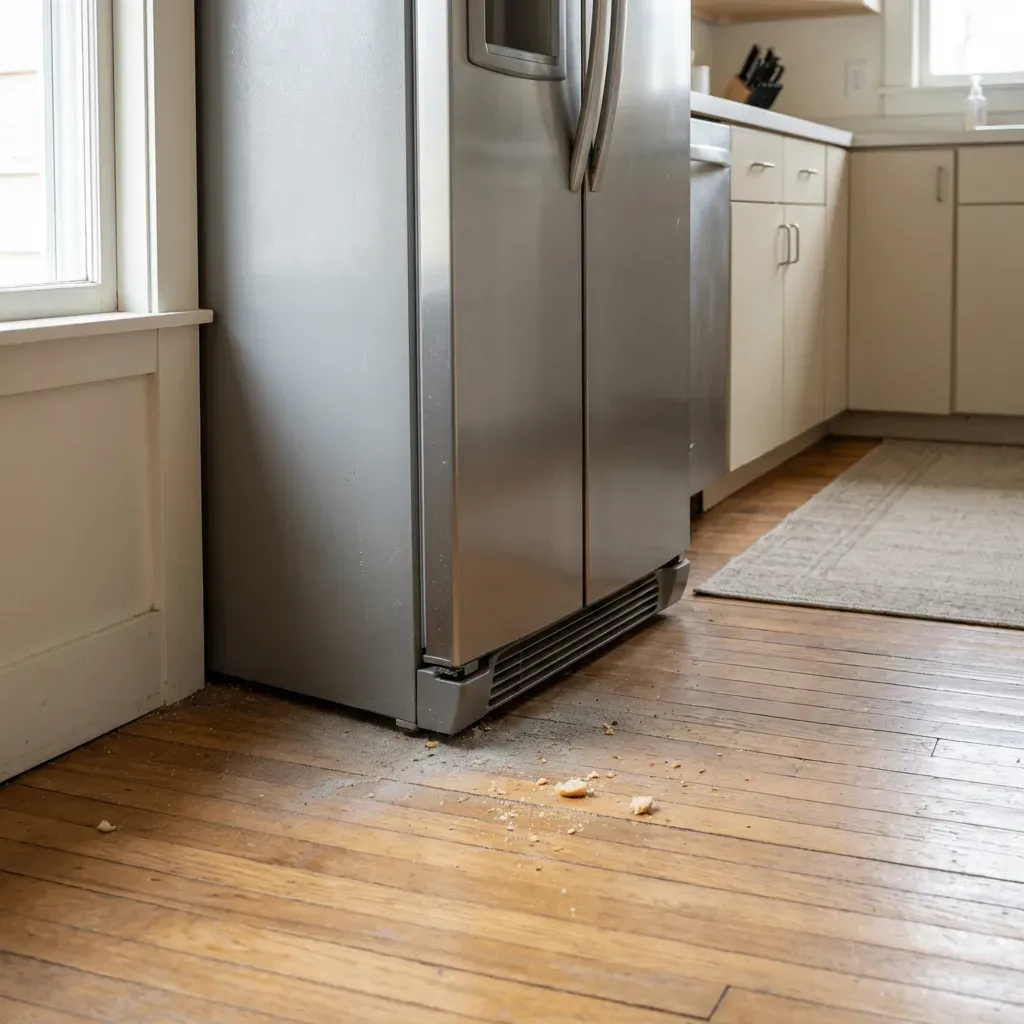
The biggest reason roaches show up in tidy homes is surprisingly unglamorous: water. Roaches can go longer without food than without moisture, so even a tiny leak, a damp sponge left overnight, or humid air trapped in a bathroom can be enough to support them. Kitchens and bathrooms are especially appealing because they combine moisture with hiding spots, and they’re full of little crevices most people don’t clean daily. Food is the next factor—but it’s rarely the obvious “dirty dishes everywhere” scenario. Roaches can live off what I like to call micro-food: invisible grease film near cooking areas, crumbs under appliances, residue in recycling bins, and tiny spills that seep into seams where cabinets meet the floor. Your counters can be sparkling while the space under the fridge quietly tells a different story.
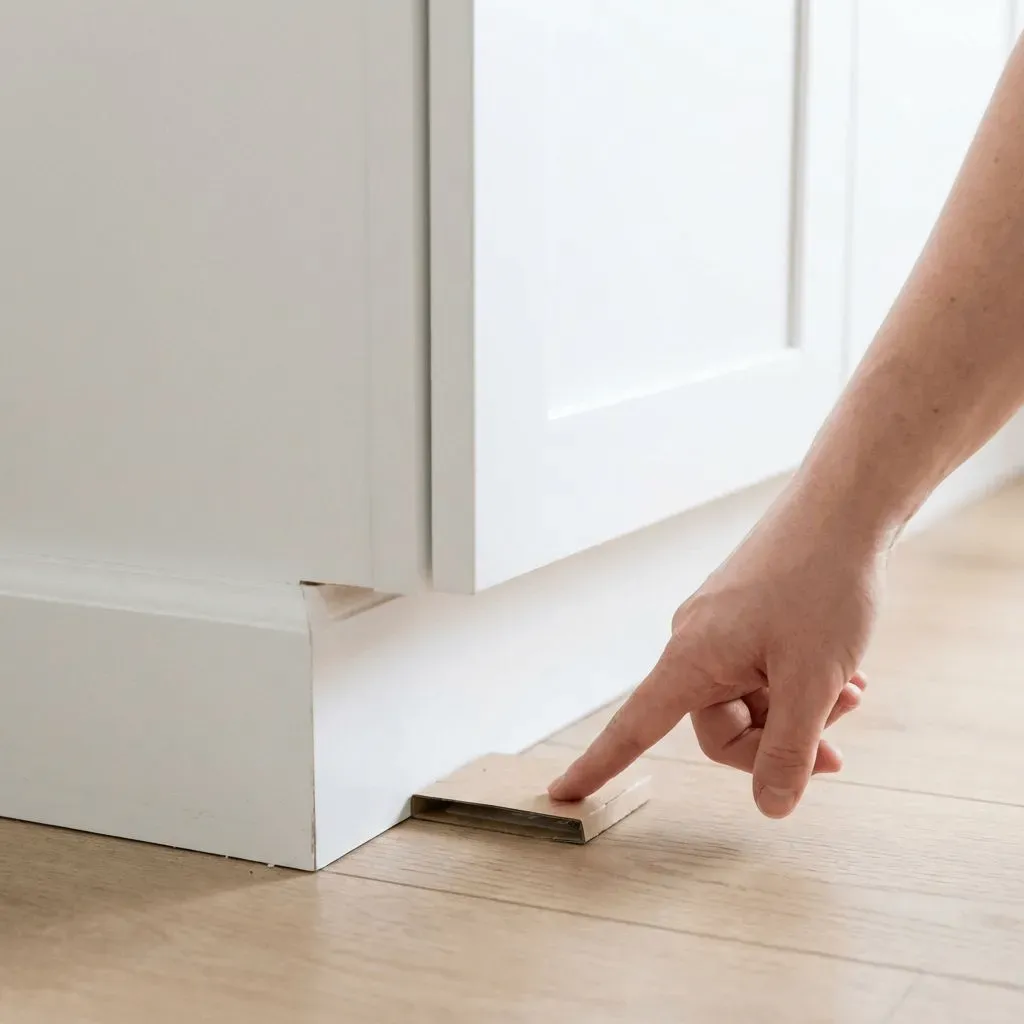
Then there’s shelter. Roaches prefer tight, dark spaces where they can press against surfaces—behind baseboards, under sinks, around dishwashers, behind refrigerators, inside cabinet voids. Modern homes are full of these protected pockets. Roaches don’t need much room; they just need consistent conditions and a place to stay out of sight.
The part nobody likes to hear it may not be “your” roaches
If you live in an apartment, condo, duplex, or townhome, there’s another major possibility: the source may not be inside your unit. Roaches can travel through plumbing penetrations, wall voids, shared vents, and utility pathways. That means a very clean home can still experience roach activity if a neighboring unit, a shared hallway, or a building utility area is supporting them.
This is why roach problems in attached housing can feel so frustrating. You can do everything right and still see occasional activity because the building functions like one connected ecosystem. In those situations, the most effective solutions are usually coordinated—addressing the overall source, not just one room in one unit.
How roaches get into clean homes in the first place
Sometimes roaches don’t “move in” because your home attracted them. Sometimes they simply arrive. It’s more common than people realize for roaches (or their egg cases) to hitchhike via grocery bags, delivery boxes, luggage, or secondhand furniture and appliances. This is especially true for pests that thrive indoors and take advantage of human routines. Weather can also play a role. Heavy rain, sudden cold, or extreme heat can shift pest pressure and cause more indoor sightings. In those moments, your home may be the most stable environment nearby—dry, warm, and full of hiding places.
What your sightings can mean (without overreacting)
One sighting doesn’t always mean an infestation. Sometimes it’s a one-off wanderer or a hitchhiker that didn’t establish itself. But patterns matter. If you’re seeing roaches repeatedly—especially in the same general area—that often suggests there’s a nearby “comfort zone,” meaning a place close to water and shelter where roaches can stay hidden.
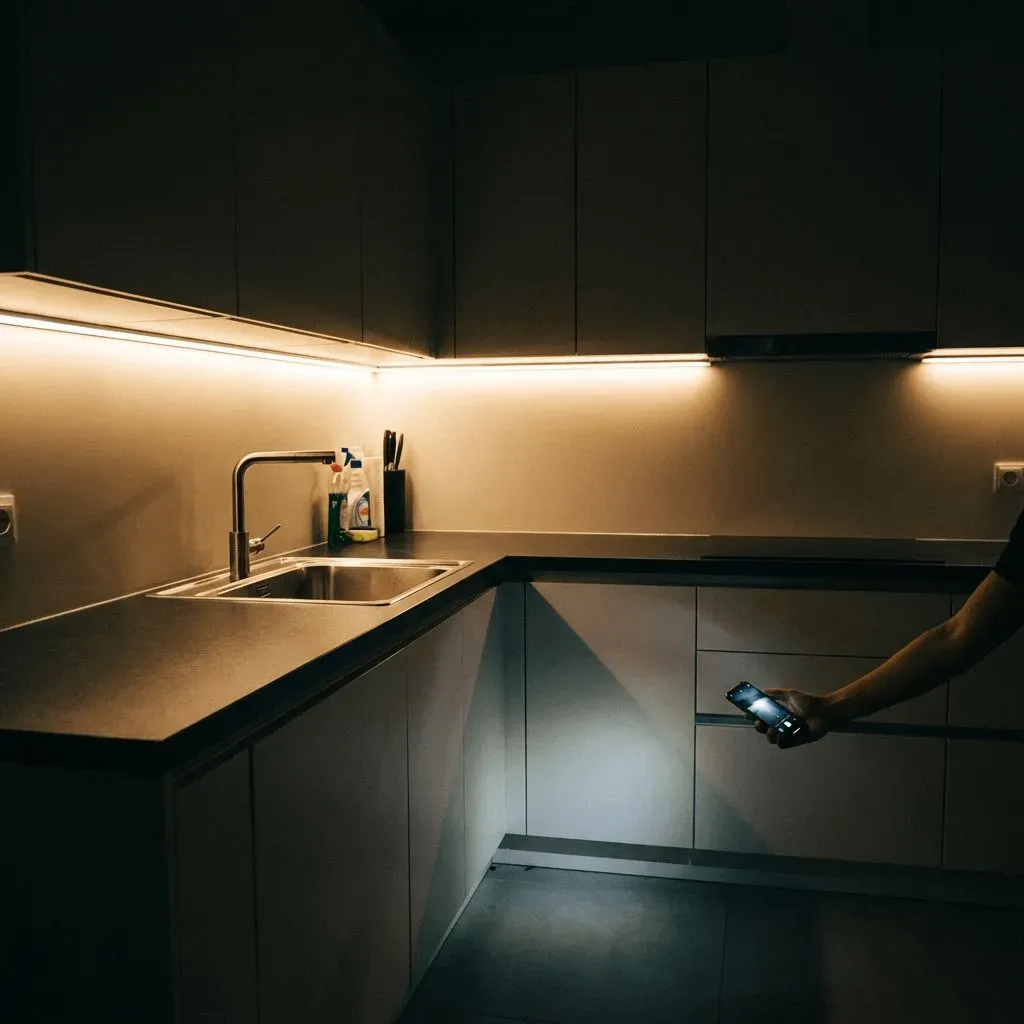
Another important clue is timing. Roaches are generally more active at night. If you’re seeing them during the day, it can indicate increased pressure—more activity than the hidden spaces can comfortably hold. And if you’re seeing smaller roaches, that may point to breeding activity, which is worth taking seriously sooner rather than later. The goal here isn’t to panic. It’s to treat sightings like information. Roaches are telling you something about conditions, access, or a nearby source.
Why “just clean more” often doesn’t solve it
Cleaning is helpful—especially reducing food residues and clutter—but roach issues often persist because the main drivers aren’t on the surface. If moisture is present behind a cabinet, if the space under an appliance is supporting them, or if they’re traveling through the structure of a building, a normal cleaning routine won’t touch the root cause.
This is also where many people fall into the “spray and hope” cycle. Store-bought sprays can kill what you see, but roaches typically live in protected areas where sprays don’t reach well. That can create an exhausting pattern: you see fewer for a day or two, then they’re back, and it feels random. Usually it isn’t random—it’s just that the source hasn’t changed.
A calmer, more effective way to respond
If you want to approach this in a way that’s both practical and not overwhelming, think in terms of making your home less supportive to roaches. Focus on the areas that matter most: kitchens, bathrooms, laundry rooms, and the hidden spaces around appliances. Reducing moisture, keeping food residues minimal, and staying aware of where sightings happen can go a long way in preventing a small issue from becoming a bigger one.
And if you live in attached housing, it’s worth remembering: sometimes the “fix” isn’t about doing more in your unit—it’s about identifying whether there’s a shared source that needs building-level attention.
ASC Pest Control
When it’s time to take it seriously.
If you’re seeing roaches more than once, if sightings are increasing, if you’re noticing them in daytime, or if you’re seeing smaller ones, that’s usually the moment to stop guessing. Early action tends to be simpler, less stressful, and less expensive than waiting until the problem has had time to grow.
Roaches in a clean house don’t mean you’ve failed at housekeeping. They usually mean one of three things: there’s moisture available, there’s a hidden food source, or there’s an access route—sometimes from outside, sometimes from a neighboring space, sometimes from a hitchhiking introduction.
Once you shift from “Why is this happening to me?” to “What conditions are supporting this?” the situation becomes much easier to understand—and much easier to solve.
GET IN TOUCH