
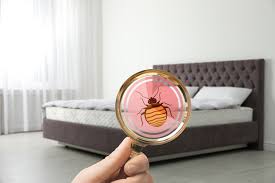
German cockroaches (Blattella germanica) are the single most common reason food-service premises in South Africa fail health inspections and retailer audits. They are the hardest cockroach species to eliminate once established, and the most commonly mismanaged by spray-schedule programmes that don't understand their biology.
Why Monthly Sprays Don't Work
The standard response to a cockroach problem in a restaurant is a monthly general spray. The technician arrives, applies a residual insecticide to surfaces, and the invoice reads "treated for cockroaches." The problem: German cockroaches live predominantly in harbourage zones that sprays cannot reach.
German cockroaches prefer harbourages that are warm, dark, and close to food and moisture. Their primary hiding zones in commercial kitchens include:
- Motor casings of refrigerators, dishwashers and ice machines, warm, protected and rarely cleaned.
- Behind and underneath cooking equipment, fryers, ovens, griddles, where grease build-up creates an ideal food source.
- Cardboard packaging from deliveries, a well-documented vector for introducing cockroaches into clean premises.
- Wall voids and pipe penetrations, especially in tiled kitchen walls where the grout has degraded.
- Under-sink cabinetry and the space around drainage pipes.
The Gel Bait Approach: Why It Works
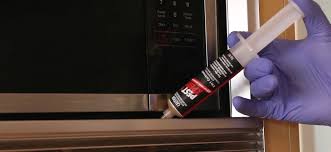
The gold-standard treatment for German cockroaches in food-service environments is targeted gel bait placement in harbourage zones. Gel bait is applied in small dots directly at the entry points and resting areas of harbourages, inside motor casings, along pipe runs, inside void spaces. The cockroaches consume the bait, return to the harbourage, die there, and are consumed by other cockroaches, creating a cascade effect through the colony.
Gel bait is highly targeted, leaves no residue on food-contact surfaces, and reaches exactly where the cockroaches live. When combined with insect growth regulators (IGRs) that interrupt the breeding cycle, a gel programme typically eliminates an established German cockroach infestation within 4–6 weeks.
The Monitoring Component You're Probably Missing
Gel treatment resolves the active infestation. Sticky trap monitoring tells you whether it's working and whether a re-infestation is occurring. Monitoring traps, typically placed inside motor casings, under equipment, and inside void spaces, capture cockroaches passively and give you a count that can be tracked over time.
If your pest report from last month doesn't include trap counts, you don't have a monitoring programme. You have a spray schedule with a new name.
"If your pest report just says 'treated' with no trap counts, you're flying blind. Data-driven decisions are the difference between eliminating a problem and managing it forever."
, ASC Pest Control, GqeberhaPreventing Re-Infestation: The 3 Non-Negotiables
- Strict cardboard controls at receiving, all incoming stock is inspected and decanted into plastic crates at the loading bay. No corrugated cardboard enters the kitchen.
- Regular deep-clean of motor casings and behind equipment, a monthly deep-clean schedule that includes pulling and cleaning behind all cooking and refrigeration equipment eliminates the food source and exposes harbourages.
- Structural repairs, degraded grout, open pipe penetrations and unsealed wall voids must be repaired. An ongoing treatment programme will not deliver lasting results in a structurally compromised kitchen.
Failing cockroach inspections? Call us today.
ASC Pest Control resolves German cockroach infestations in commercial kitchens across Gqeberha, Nelson Mandela Bay and the Eastern Cape. Our gel bait programmes include trap monitoring, corrective action reporting and full HACCP documentation.