

A house mouse (Mus musculus) can pass through any gap wider than 6mm, approximately the diameter of a pencil. A brown rat (Rattus norvegicus) needs only 12mm. In a typical warehouse or distribution centre in Gqeberha's industrial areas, Struandale, Deal Party, Coega IDZ, there are dozens of openings that exceed these dimensions. Most of them are invisible unless you know where to look.
Bait stations manage a rodent population. They do not stop new animals from entering. If you have an active rodent programme but persistent rodent pressure, the problem is almost certainly structural, not chemical.
The 5 Entry Points Most Warehouse Managers Miss
1. Roller-Door Brush Seals
The flexible brush or rubber seals at the base and sides of roller doors degrade over time due to UV exposure, mechanical contact from forklifts, and general wear. A seal that looks intact from a distance may have gaps of 20mm or more on close inspection. Rodents enter at night when doors are closed, not during operational hours.
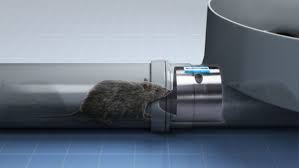
2. Pipe and Conduit Penetrations Through External Walls
Every pipe, cable conduit or drainage run that passes through an external wall creates a potential entry point. In older industrial buildings, these penetrations are often sealed with mortar that has cracked or shrunk away from the pipe, leaving a gap around the circumference. Rodents follow pipe runs along walls and will find these gaps on a nightly foraging route.
3. Roof Ventilation and Eave Gaps
Roof rats (Rattus rattus) are excellent climbers. Gaps at the eave line, damaged roof ventilators, and open ridge caps are primary entry routes. Once inside the roof void, they travel down wall cavities and enter the warehouse through further internal gaps. Roof-level exclusion is routinely missed in ground-level surveys.
4. Loading-Dock Threshold Gaps
The gap between a levelling plate and the building threshold at a loading dock is typically 15–40mm when the dock is unoccupied. This gap is open 24 hours a day. A simple rubber dock seal or threshold seal eliminates it entirely. This is one of the highest-traffic rodent entry points in distribution centres and is almost universally present.
5. Drain Covers Without Rodent-Proof Grates
Brown rats travel through drainage systems as a primary movement corridor. Floor drains, gully drains and inspection chambers without tight-fitting, stainless-steel rodent-proof covers are direct access routes into your facility. In food-grade warehouses this is a critical control point. Standard plastic or cast-iron drain covers do not constitute rodent-proofing.
Exclusion vs Bait Stations: The Right Priority
Bait stations are a population management tool. They reduce the number of rodents present but do not prevent new animals from entering. In a warehouse with multiple active entry points, a bait programme will show ongoing activity indefinitely, because you're treating a symptom rather than the cause.
"Exclusion work is permanent and cost-effective. Bait stations manage the population but won't stop new animals entering. A proper site survey identifies every structural gap first."
, ASC Pest Control, GqeberhaThe correct sequence for a warehouse rodent programme is:
- Professional site survey to identify and map all structural entry points.
- Exclusion works to seal all identified gaps (carried out by your maintenance team or a contractor, coordinated by your pest manager).
- Bait station programme to manage the remaining internal population during the exclusion phase.
- Monitoring to confirm pressure declines and verify the exclusion was effective.
Book a rodent exclusion survey
ASC Pest Control conducts structural rodent exclusion surveys for warehouses, distribution centres and food-storage facilities across Gqeberha, Coega IDZ, Kariega and surrounding industrial areas. We identify every entry point and provide a prioritised remediation report.