
Pest-Type Service / Rodents
Rodent control that closes the building, not just the symptom.
Rats and mice are the pest that keeps auditors, health inspectors and homeowners awake. They gnaw, they contaminate, they spread disease and they breed faster than a bait box can keep up. ASC controls rodents the way a food safety auditor expects it done: find the source, proof the entry, then monitor the proof.
Why It Matters
A rodent is never just one rodent.
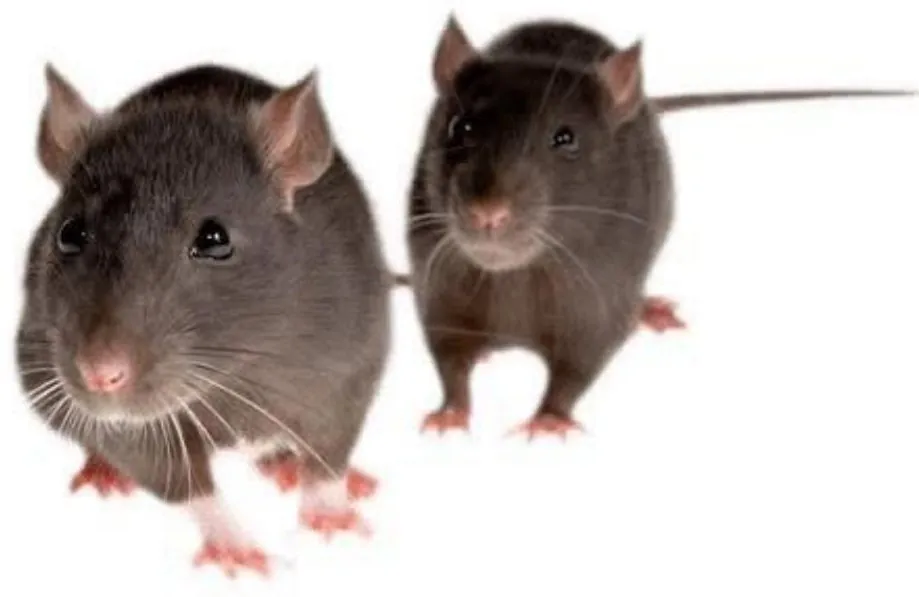
South Africa is home to three commensal rodents that live alongside people: the brown or Norway rat (Rattus norvegicus), the roof or black rat (Rattus rattus) and the house mouse (Mus musculus). Each is a public-health hazard in its own right. Rodents carry Salmonella, leptospirosis and other pathogens in their urine and droppings, they physically contaminate stock and surfaces, and their constant gnawing damages wiring, insulation and packaging. A single pair breeds into a colony within a season, so a sighting is a signal, not an isolated event.
Disease
Rodent urine, droppings and hair introduce pathogens directly onto food-contact surfaces, product and packaging. This is a public-health risk long before it becomes an audit finding.
Legal exposure
Regulation R638 of 2018 requires food premises to be free of pests and their harbourage. Rodenticides must be registered under Act 36 of 1947 and applied by registered operators.
Damage
Rodents gnaw to keep their incisors worn down. That means chewed cabling, ruined stock, punctured packaging and, in the worst cases, electrical fires.
Reputation
One droppings trail behind a shelf, one gnawed carton on camera, and a retailer or a guest loses confidence in your premises overnight.
Know The Signs
Eight signs you have a rodent problem, not just a rumour.
The most reliable early signs of rats or mice are droppings, gnaw marks, greasy rub marks along skirting and pipework, scratching sounds in the roof or wall voids at night, a stale ammonia-like odour, nesting material such as shredded paper or insulation, footprints or tail-drag marks in dust, and damaged stock or packaging. One sign on its own can be a false alarm; two or more together almost always means an active population, not a one-off visitor.
Droppings
Fresh droppings are dark and moist; old ones are grey and crumbly. Rat droppings are 12–19mm and spindle shaped, mouse droppings are 3–6mm and far more numerous.
Gnaw marks
Rodents gnaw constantly to wear down their incisors — chewed cabling, skirting, packaging and stored food are a strong indicator, not cosmetic damage.
Grease & rub marks
Dark, greasy smudges along the same skirting boards, pipes and wall bases mark the runs rodents travel night after night.
Noises in the roof
Scratching, scurrying or gnawing sounds in the ceiling void or wall cavity, usually most active after dark, point to roof rats or mice nesting overhead.
Nesting material
Shredded paper, fabric, insulation or garden material balled up in a quiet void, roof space or behind stored boxes is a nest, not debris.
Unusual odour
A persistent, stale, ammonia-like smell in a cupboard, roof void or behind appliances often means an established colony rather than a single rodent.
Footprints & tail marks
In dusty areas such as roof voids or under appliances, small footprints with a thin tail-drag line confirm activity even without a sighting.
Damaged stock or packaging
Torn packaging, gnawed cartons and contaminated stock in a kitchen, store room or warehouse are a rodent, not a stock-handling problem.
Seeing two or more of these? Do not wait for a sighting to confirm it — call 041 004 0037 or request a site assessment and we will identify the species and the entry points before the population grows.
The Core Principle
Why baiting alone always fails.
Loose bait scattered around a building is the most common rodent mistake we correct. It treats the animals that are already inside while leaving the door open behind them. Kill the current population and, if the entry points and food sources remain, a fresh one moves straight back in. Worse, permanent internal baiting encourages resistance, risks non-target poisoning of pets and wildlife, and leaves carcasses to decompose and stink inside wall voids and ceilings.
The rodenticide is one tool, placed last, inside a controlled and mapped system. The work that actually ends the problem is inspection, proofing and monitoring. That is the difference between a spray-and-pray contractor and a food safety specialist. Read our guide to rodent proofing and exclusion for food premises →
The ASC Rodent Programme
Five steps, in order, every time.
Integrated Pest Management puts prevention first and chemistry last. Here is exactly how we take a set of premises from active infestation to controlled and monitored.
1. Inspection
A registered specialist walks the premises inside and out, reading droppings, smear marks, runs, gnawing and burrows to identify the species, the population and the entry routes.
2. Proofing & exclusion
We seal the gaps rodents use: door sweeps, dock levellers, service penetrations, drains and roof lines. A mouse needs only 6 mm. Exclusion is the single most durable control there is.
3. Tamper-resistant stations
Lockable, fixed and numbered stations on a site plan, external toxic and internal non-toxic or monitoring, protecting children, pets and non-target wildlife while giving controlled coverage.
4. Monitoring & trending
Every station is checked, recorded and trended by zone at each service. Rising activity in one area points the next visit straight at the source rather than the whole building.
5. Corrective action
Every finding gets a root cause and a close-out: a proofing repair, a housekeeping change, a bin relocated. We fix why the rodent got in, not just the rodent.
Digital capture
Every station, reading and action is logged live in My ASC Pest Hub, so your trend graphs and audit pack are always one click away.
Why A Food Safety Specialist Should Handle Your Rodents
We audit facilities for a living, so we control pests the way an auditor reads it.
ASC Pest Control is South Africa's only pest control company owned by accredited food safety specialists. Most contractors leave bait and a docket. We inspect premises against the standards for a living, so a rodent programme from us is built around the exact evidence a health inspector or a BRCGS auditor asks for. We care about the impact of chemicals on people, product and the environment, which is why we lead with least-toxic IPM, targeted application and prevention rather than blanket baiting. That diligence protects your family, your product and your certificate at the same time.
Our team is trained in
Where This Applies
Rodent control for every set of premises.
Commercial premises
Factories, warehouses, retail, offices and hospitality. Mapped external barriers and internal monitoring, documented for audit. →
Food & beverage facilities
HACCP designed rodent programmes aligned to BRCGS, FSSC 22000, SANS 10049 and R638. →
Homes & estates
Discreet, family-safe rodent control that shuts the entry points instead of scattering poison around the house. →
Species identification guide
Tell rats from mice, and read the signs, with our full pest species guide. →
Keep reading: Rodent proofing and exclusion · Why trend analysis matters · Act 36 of 1947 explained
Where we do this
Rodent control across Gqeberha and Johannesburg
In Port Elizabeth (Gqeberha) rodent pressure is driven by interrupted refuse collection and ageing stormwater and sewer infrastructure, so brown rats arrive along drains and service voids rather than breeding on site. In Johannesburg the problem is adjacency: shared walls, service voids and dense mixed-use development mean a building can be reinfested from next door within weeks. In both cities the answer is the same in principle and different in execution — proof the building, fix the waste route, then bait and monitor.
Nelson Mandela Bay: South End, Newton Park, Walmer, Summerstrand, Humewood, North End, Korsten, Deal Party, Struandale, Perseverance, Markman, Coega IDZ, Kariega (Uitenhage), Despatch.
Greater Johannesburg: Sandton, Randburg, Rosebank, Midrand, Fourways, Roodepoort, Soweto, Edenvale, Bedfordview, Germiston, Alberton, Boksburg, Benoni, Kempton Park, plus City Deep, Isando, Longmeadow, Linbro Park, Wadeville and Alrode.
Pest control in Port Elizabeth (Gqeberha) · Pest control in Johannesburg · East London · Eastern Cape · Gauteng
Questions
Rodent control FAQ
Why is baiting alone not enough to control rodents?
Bait treats the symptom, not the cause. If rodents can still enter and harbour, a new population replaces the one you removed, and permanent internal baiting can drive resistance and leave carcasses decomposing in voids. Effective control starts with inspection, then proofing and exclusion, then monitoring. Bait is one tool inside that programme, placed in tamper-resistant stations and reviewed on evidence, not left down as a permanent crutch.
How do you tell a rat problem from a mouse problem?
Droppings are the fastest clue. Rat droppings are 12 to 19 mm and spindle shaped; mouse droppings are 3 to 6 mm, rice grain shaped and far more numerous. Rats need a regular water source and travel established runs along walls; mice range widely, nibble little and often, and can squeeze through a gap of about 6 mm. Smear marks, gnaw damage and burrow size confirm the species and dictate the response.
Do you use tamper-resistant bait stations, and are they legal?
Yes. All external rodenticide points are secured in lockable tamper-resistant stations, fixed and numbered on a site plan, using only products registered under Act 36 of 1947 and applied by registered pest control operators. This protects children, pets and non-target wildlife, satisfies Regulation R638 of 2018 for food premises, and gives your auditor a controlled, mapped and recorded system rather than loose bait.
How quickly can you respond to an active rodent problem?
We prioritise active infestations and can attend rapidly across Gauteng and the Eastern Cape. The first visit stabilises the situation, identifies the species and entry points, and sets the proofing and monitoring plan that keeps rodents out for good.
How much does rodent control cost in South Africa?
It depends on the size of the premises, how established the population is, how many entry points need proofing and how many stations the site needs. A once-off residential callout is priced differently from a commercial contract with a mapped external grid and monthly trend analysis. We quote after a short inspection rather than over the phone, because a number given without seeing the roof void, the drains and the boundary is a guess. See our Eastern Cape pest control pricing guide for what drives the number.
How do I get rid of rats in my roof or ceiling?
Roof rats and house mice reach ceiling voids via overhanging branches, roof tiles, gaps at the fascia and gable ends, and vents without mesh. Ground-level bait boxes rarely solve a roof problem because the rodents never come down. The fix is to inspect the roof line for entry points, proof or mesh every gap found, then place monitoring or bait points inside the void itself, checked and recorded until activity stops.
Are rats and mice dangerous to my health?
Yes. Rodents carry Salmonella, Leptospira (the bacterium behind leptospirosis) and other pathogens in their urine, droppings and fur, and can contaminate food, food-contact surfaces and stored water. Their fur and droppings can also trigger asthma and allergy symptoms, and their gnawing on electrical cabling is a genuine fire risk. This is why rodent control is treated as a public health measure, not just property maintenance.
Can I do rodent control myself, or should I call a professional?
DIY snap traps and shop-bought bait can help with a single mouse caught early, but an established population, a roof infestation, or any food, healthcare or hospitality premises needs a registered operator. Off-the-shelf rodenticide used incorrectly is both illegal under Act 36 of 1947 and a genuine risk to children, pets and non-target wildlife. A professional programme also proofs the entry points, which is the part DIY treatment almost always skips, so the problem returns.
Next Step
Shut the door on rodents for good.
Book a no-obligation site assessment. A registered specialist will walk your premises, find the entry points and design a proofing-first rodent programme around your risk.