
Food & Beverage / Compliance Pest Management
Pest control for food and beverage facilities, built the way an auditor reads it.
In a food or beverage plant, pest control is not a service you buy once a month. It is a documented prerequisite programme that your customers, your certification body and South African law all inspect. This is what the standards require, and how ASC Pest Control makes your facility audit ready every day.

Why It Matters
Pests are a food safety hazard, a legal risk and a brand risk.
Contamination
Rodents, cockroaches, flies and stored product insects carry pathogens, spoil stock and introduce physical and microbial contamination directly into product, packaging and raw materials.
Legal exposure
Regulation R638 of 2018 requires food premises to be free of pests. Using an unregistered pesticide, or a registered one against the wrong pest, is a contravention of Act 36 of 1947, not just an audit finding.
Failed audits
Pest management is one of the most cited prerequisite programmes in food audits, and most findings are documentation failures, not live pests. A weak file costs you the certificate.
Reputation
A single pest incident, a recall or a viral photo can undo years of brand building. Retailers delist suppliers over pest non-conformances.
Why It Is Critical
Pest control and pesticide control are matters of life and death.
Pest management in the food industry is not only about protecting product and passing audits. It is a public health responsibility. The danger is twofold: the pests themselves, which spread Salmonella, Listeria, E. coli and physical contamination, and the chemicals used against them, which are lethal when handled by untrained, unregistered hands.
In October 2024, six children under the age of ten died in Naledi, Soweto after eating snacks bought from a local spaza shop. The Minister of Health confirmed the cause as Terbufos, a highly toxic organophosphate agricultural pesticide that had been sold illegally as a street product to control rodents. Investigators later found Terbufos residues in several shops. It was a devastating, avoidable tragedy, and a reminder that pest control belongs in the hands of registered, trained professionals, never in an unlabelled packet from an informal trader.
This is exactly why ASC uses only products registered under the Fertilizers, Farm Feeds, Agricultural Remedies and Stock Remedies Act (Act 36 of 1947), applied by registered pest control operators, at the lowest effective toxicity, with full documentation. It is why we believe pest control in food facilities should be led by public health and food safety specialists. Read our full analysis of the spaza shop pesticide tragedy →
Know The Signs
Six signs your pest control file will not survive an audit.
A food safety audit usually fails a pest control programme for missing trend analysis, a device map that does not match the floor, gaps in service records, an incomplete chemical register without safety data sheets, corrective actions with no documented close-out, or an operator who cannot produce current registration and product labels on the spot. Most findings are paperwork failures, not live pests — which means most of them are entirely preventable.
No trend analysis
Service slips without catch counts graphed by zone over time is the single most common finding under BRCGS 4.14.9 and ISO 22002-1.
Map does not match the floor
A numbered device on the map that is not physically there, or a device on the floor with no number, is an immediate red flag for an auditor.
Gaps in service history
Missing visits, undated reports or inconsistent formats between technicians signal a programme that is not actually being managed.
Incomplete chemical register
Products without an L-number, an expired safety data sheet, or a product not matched to the pest it targets are all direct Act 36 of 1947 findings.
Corrective actions with no close-out
A logged finding with no documented fix and no verification it worked reads as an open, unmanaged risk, not a resolved one.
Operator cannot produce credentials
If the technician on site cannot show current Act 36 of 1947 registration and product labels on request, the whole programme's legitimacy is in question.
Not sure where your file stands? Run the free audit readiness self-assessment against BRCGS 4.14, FSSC 22000, SANS 10049 and R638 in five minutes, no sign-up.
The Programme
What a compliant food and beverage pest programme actually contains.
Every recognised standard asks for the same building blocks. Integrated Pest Management (IPM) puts prevention first and chemicals last. These are the six elements an auditor expects to see, and the six we build and run for you.

1. Site risk assessment
A site specific assessment that drives station density and service frequency, reviewed after any building or process change. Learn more
2. Device map and numbering
A numbered plan of every bait station, insect light trap and monitor. Every device on the map exists on the floor. Learn more
3. Exclusion and proofing
Sealing the gaps that let pests in: door sweeps, dock levellers, drains and services. Learn more
4. Monitoring and trending
Regular service with catch identification and trend analysis by zone, feeding into your hazard analysis. Learn more
5. Approved chemicals only
A register of Act 36 of 1947 registered products with L-numbers and safety data sheets, applied by registered PCOs. Learn more
6. Corrective action
Root cause analysis and close-out evidence for every finding, not just a quick fix. Learn more
What The Standards Say
Every major food safety standard, and its pest control requirement.
| Standard | Where pest control sits | What it expects |
|---|---|---|
| BRCGS Food Safety | Clause 4.14 | Site wide preventive programme, frequency by risk assessment, device map, approved chemical register with SDS, trend analysis into hazard analysis, in-depth survey. Guide |
| FSSC 22000 | ISO 22002-1 clause 12 | Pest management as a PRP: prevention, monitoring, eradication, and control of harbourage and access. Guide |
| ISO 22000 | PRP / operational PRP | Pest management built into the food safety management system and verified. Guide |
| SANS 10049 | Good hygiene practice | Pest exclusion and control for retail and wholesale food handling, aligned with R638. Guide |
| Regulation R638 of 2018 | SA law (Act 54 of 1972) | Food premises kept free of pests, harbourage prevented, Certificate of Acceptability. Guide |
| GLOBALG.A.P. | Product handling / post-harvest | Pest monitoring and hygiene in packhouses and post-harvest facilities for export produce. Guide |
| SQF | Pest prevention element | Documented pest prevention programme, licensed contractor or trained staff, monitoring and trending. Guide |
| IFS Food | Clause 4.13 | Risk based pest monitoring, expertise, action on findings and analysis of trends. Guide |
| AIB International | Integrated pest management category | Scored inspection of pest management, sanitation and structural conditions. Guide |
| Codex Alimentarius | CXC 1-1969 (GHP) | The global foundation the others build on: prevention, harbourage control, monitoring, eradication. Guide |
In Focus / FSSC 22000 & ISO 22002
FSSC 22000 and the new ISO 22002-1 pest control requirements.
FSSC 22000 is one of the most widely held GFSI recognised certifications in South African food manufacturing. Its pest management requirements come from the prerequisite programme standard ISO 22002-1, which was significantly revised in 2025. If you certify to FSSC 22000, these are the details your auditor now works to.
FSSC 22000
Built on ISO 22000 (the food safety management system), the sector prerequisite standard ISO 22002-1, and additional FSSC requirements. Pest management is a prerequisite programme that must be monitored, verified and improved, with evidence of prevention, monitoring and eradication.
ISO 22002-1 (Clause 12)
The 2025 edition replaces the old ISO/TS 22002-1:2009. It is now a full International Standard, not a Technical Specification, and it must be applied together with the new ISO 22002-100, which holds the common requirements for the food, feed and packaging supply chain. Pest management was reworded with additional detail on control and eradication.
What ISO 22002-1 expects for pest management:
- A documented pest management programme covering the whole site
- Prevention first: exclusion, proofing and hygiene to deny access, food and harbourage
- Monitoring with mapped, numbered detection devices
- Identification of pests and analysis of activity and trends
- Control and eradication using approved methods, with detail expanded in the 2025 edition
- Only trained, competent people and approved, registered pesticides
- Records, verification and continual improvement
- New wider context: food defence, food fraud, sustainability and traceability
ASC designs your pest programme to satisfy ISO 22002-1 and ISO 22002-100 as part of your FSSC 22000 certification, and captures the monitoring, trend and verification evidence automatically in the My ASC Pest Hub. Read the full FSSC 22000 guide →
Sectors We Protect
Every food and beverage environment has its own pest pressure.
Food manufacturing
Factory floors, receiving bays and shared-wall units. Stored product insects, rodents and cockroaches.
Breweries & beverage
Fruit flies, phorid flies and grain intake rodents around sugar, malt and drains.
Dairy processing
Flies, rodents and the Listeria drain harbourage link in warm wet zones.
Meat & abattoirs
Blowflies, rodents and dermestid beetles under the Meat Safety Act and R638.
Bakery & milling
Flour beetles, weevils and moths, controlled with pheromone monitoring.
Packhouses & produce
False codling moth and packline pests that protect export certification.
Cold chain & warehouse
Rodents at dock levellers and birds in high-bay racking along logistics corridors.
Hospitality & kitchens
Discreet cockroach, rodent and fly control for restaurants, hotels and central kitchens.
Inside Real Facilities
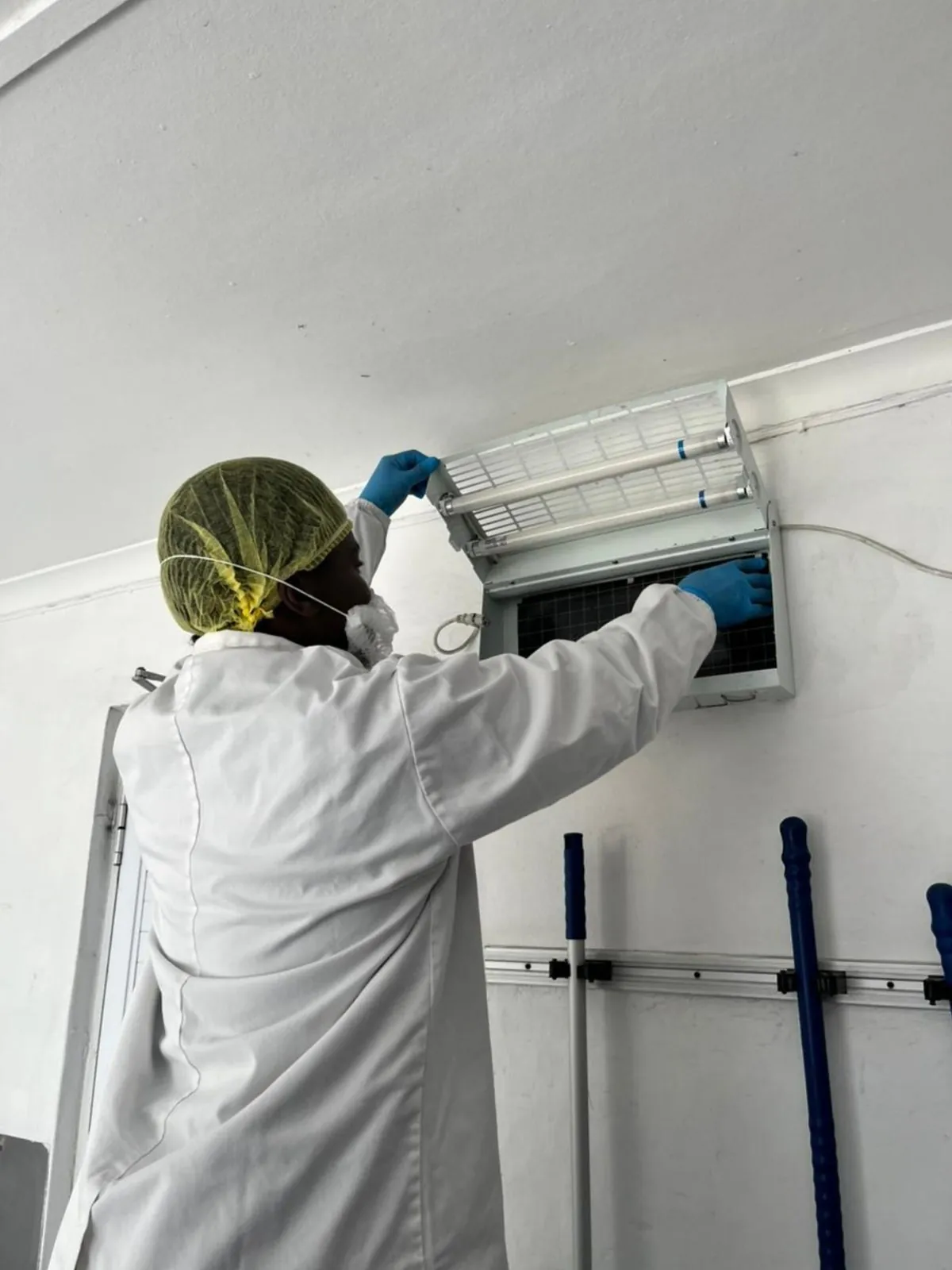
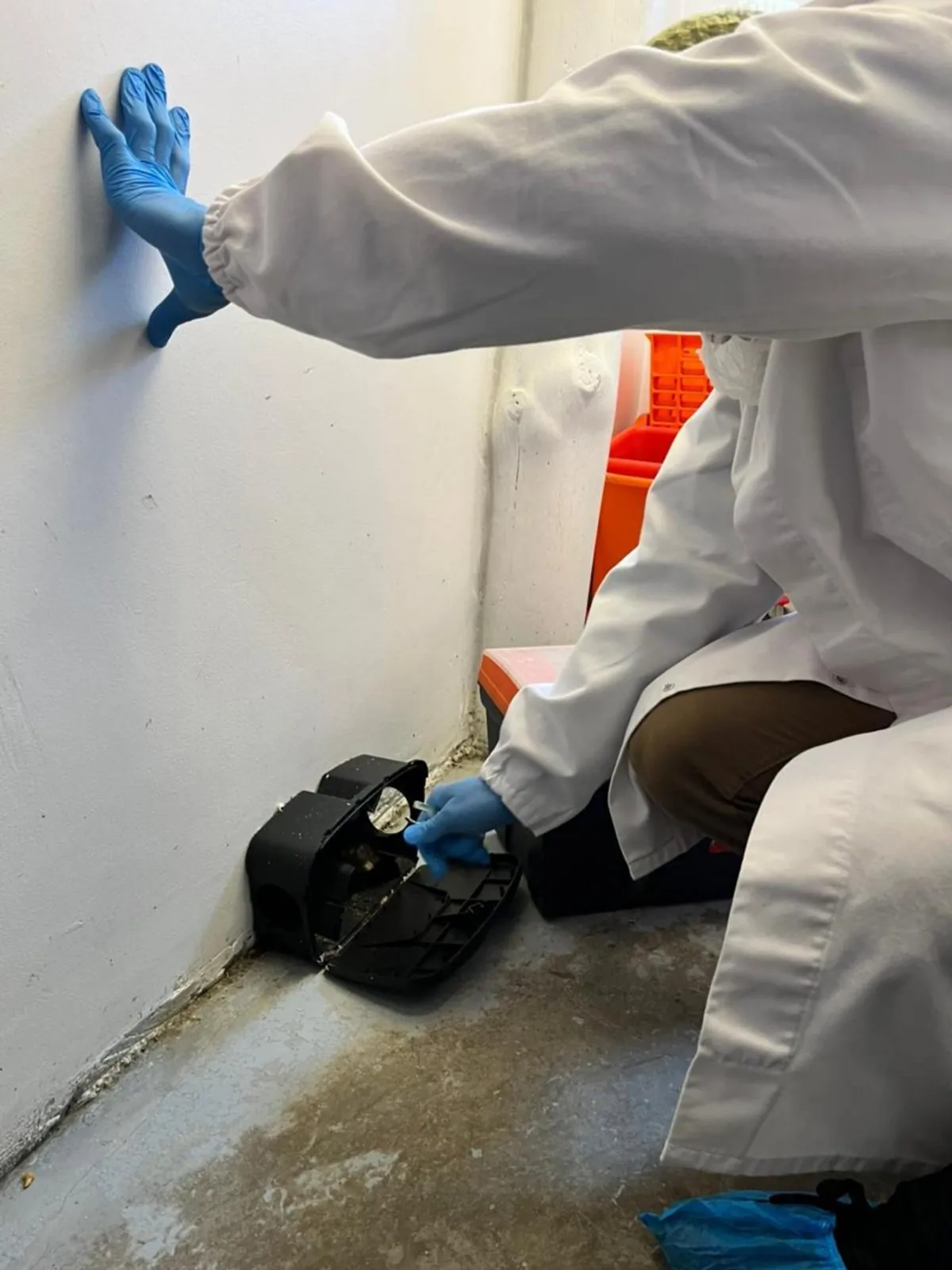
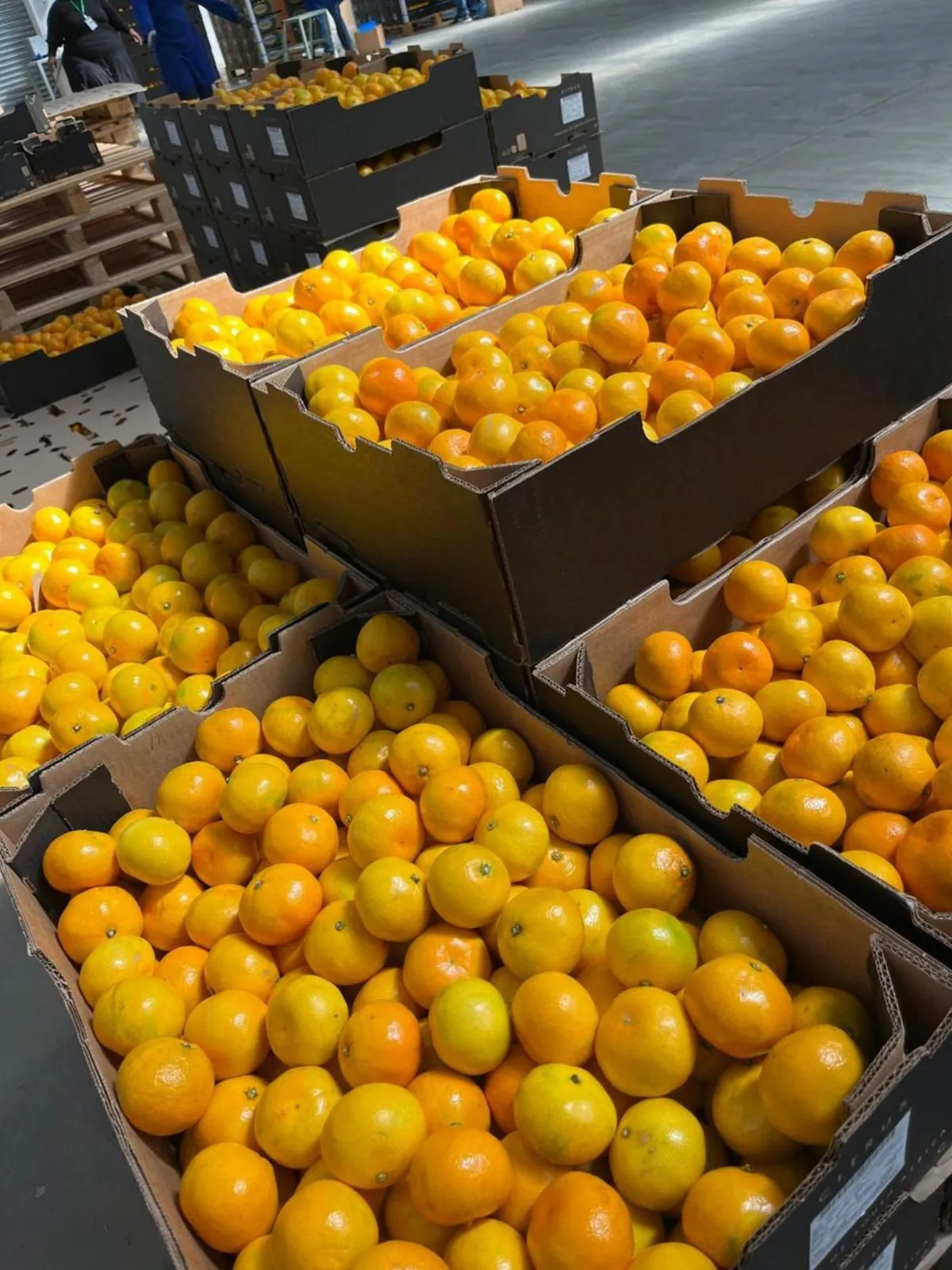
Free Facility Resources
Download the forms your auditor wants to see.
Branded, printable checklists and logs built by food safety auditors. Use them in your facility today.
Pest Risk Assessment
The document that sets your station density and service frequency. PDF.
BRCGS 4.14 Self-Assessment
Check your programme against BRCGS clause 4.14. PDF.
Night Audit Checklist
Catch what daytime inspections miss. PDF.
All 7 forms →
Monitoring log, corrective action log, ILT catch log, rodent station log and more.
Contract Pest Control
Contract pest control for food and beverage manufacturers.
A prerequisite programme cannot run on ad hoc callouts. Every standard in the table above assumes continuity: scheduled service, trend analysis over time and a compliance file that never lapses between audits. That is why we deliver contract pest control for food and beverage manufacturers as an annual agreement with a fixed service calendar, defined response times, a dedicated registered operator and one-click audit packs on My ASC Pest Hub. See what an ASC pest control contract includes →
The ASC Difference
The only pest control company in South Africa owned by food safety auditors.
We audit food factories for a living. That is why our pest programmes are designed around the exact evidence an auditor asks for, captured digitally through the myASConline paperless portal. When the auditor asks for your pest records, you generate a complete audit pack in one click. We serve food and beverage manufacturers across Gauteng and the Eastern Cape, including East London, the ELIDZ and the Buffalo City processing corridor through our pest control East London operation.
- ✓ SAPCA member ASC797, registered PCOs (Act 36 of 1947)
- ✓ Structural Pest Control, Commercial and Domestic (P43510)
- ✓ One-click audit packs via myASConline
- ✓ Serving Gauteng and the Eastern Cape
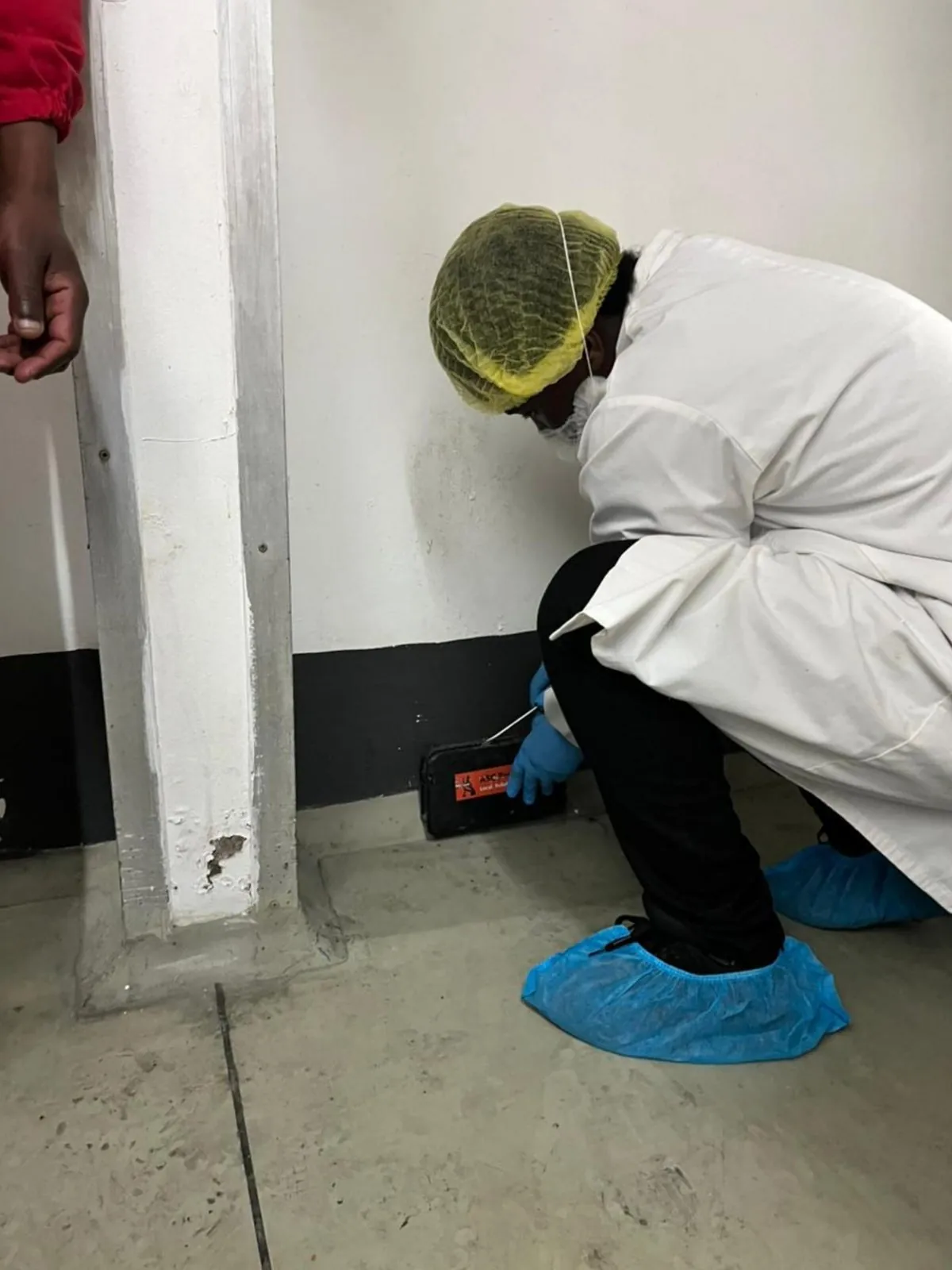
Related industries: Manufacturing · Warehousing & Logistics · Retail & Supermarkets
Questions
Food and beverage pest control FAQ
Is pest control a legal requirement for food businesses in South Africa?
Yes. Regulation R638 of 2018 under the Foodstuffs, Cosmetics and Disinfectants Act 54 of 1972 requires food premises to be kept free of pests and to prevent harbourage. All pesticides must be registered under Act 36 of 1947 and applied by registered pest control operators. Certification standards add documented requirements on top of the law.
What does BRCGS require for pest control?
BRCGS clause 4.14 requires a site wide preventive programme, inspection frequency set by risk assessment, competent contractors or trained staff, a device map, an approved chemical register with safety data sheets, and records with trend analysis fed into the hazard analysis.
Do you cover export packhouses and GLOBALG.A.P.?
Yes. We build post-harvest pest programmes for packhouses that protect GLOBALG.A.P. and phytosanitary export certification, which is critical for Eastern Cape citrus and other produce.
Which standards does ASC Pest Control work to?
BRCGS, FSSC 22000 (ISO 22002-1), ISO 22000, SANS 10049, Regulation R638, GLOBALG.A.P., SQF, IFS and AIB International, applied to SANS 10133 standards, by registered PCOs.
What is the most common pest control finding in a food safety audit?
Missing or incomplete trend analysis. Auditors expect catch and activity data graphed by device, zone and species over time, feeding into the hazard analysis, not just a stack of signed service slips. A site can be pest-free on the day and still fail this clause if the trending was never done.
How much does an audit-ready pest control programme cost?
Cost depends on the size of the facility, the certification standard you hold, the number of monitoring devices your risk assessment requires, and the service frequency. A small kitchen is priced differently from a multi-line food manufacturing plant. We quote after a site assessment, because the audit standard and the risk profile both change the scope.
Can I switch pest control providers without losing my audit history?
Yes, if the handover is managed properly. ASC surveys the existing device network, verifies it against your certification standard, and either continues the numbering and history or documents a clean reset with a clear record of the change. What matters to an auditor is that the file is continuous and explained, not which company held it.
Next Step
Book a food and beverage pest audit.
A registered specialist will walk your facility, review your current pest documentation against the standards you certify to, and show you what one-click audit readiness looks like on myASConline.