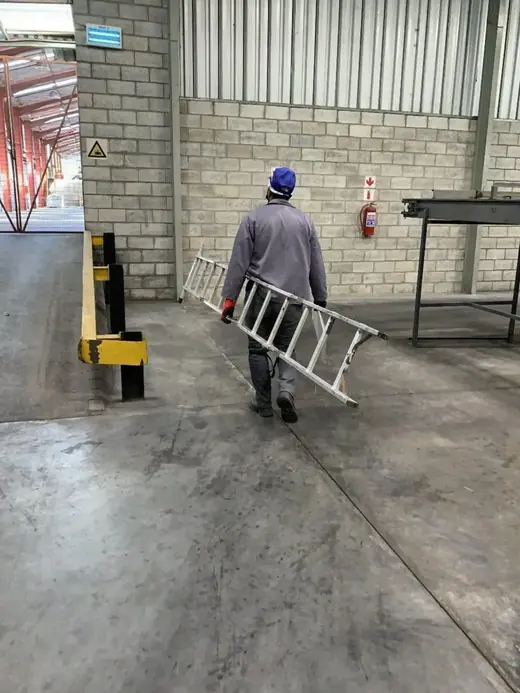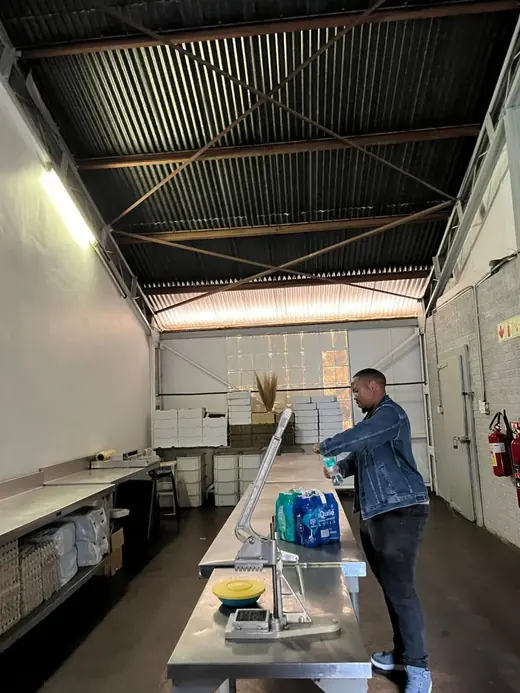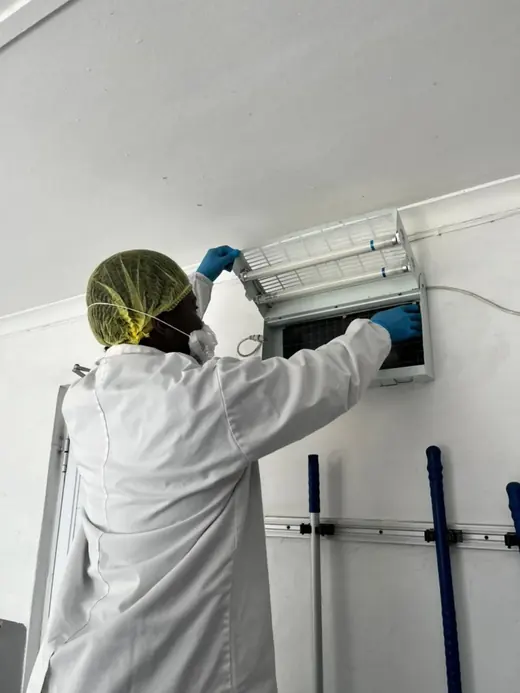
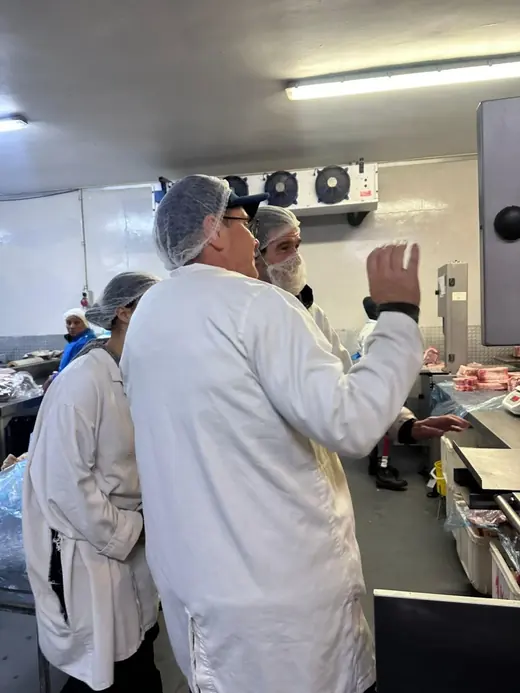
A guesthouse, B&B or lodge in the Eastern Cape needs a pest control contract that covers three things: the kitchen where breakfast is made, the bedrooms, and the roof and grounds. The kitchen is a food premises under Regulation R638 of 2018, so it must be pest proof and the person in charge must act against pests. The bedrooms carry the bed bug risk that arrives in luggage, and the roof, often thatch, is where rats and birds settle.
ASC Pest Control, a SAPCA member (ASC797) with its Eastern Cape head office in Gqeberha, offers contract pest control to guesthouses, B&Bs, country houses and lodges. Every contract starts with a no-obligation site assessment. Request a site assessment or call 041 004 0037. See contract pest control.
Key points
- If you prepare breakfast for paying guests, your kitchen handles food and R638 applies to it.
- The 2019 tourism grading criteria ask for clean rooms and say nothing about a pest control contract. A guest who finds droppings will not ask whose job it was.
- Snakes, bats and monkeys are wildlife, not pests, and are not part of a pest control contract. Rodents, cockroaches, bed bugs, ants, flies, pest birds and timber pests are.
Why small accommodation gets caught out
A hotel has a duty manager, a maintenance team and a housekeeper for each floor. A six-room guesthouse in Summerstrand or a B&B in Jeffreys Bay has an owner, a cook and one or two housekeepers, all at their busiest in December when the coast fills up. Pest control gets bought once, after a complaint, and then forgotten.
The pests that matter, area by area
The German cockroach (Blattella germanica) comes in with deliveries and second-hand equipment and settles in the warm spaces behind kitchen fridges and under the dishwasher. Ants follow sugar and food scraps to the breakfast buffet and the tea tray in each room, and house flies come from bins kept too close to the kitchen door. See cockroach control and fly control.
In the bedrooms the concern is bed bugs. They travel in luggage and clothing, and a spotless room can have them. A small house has one advantage: the same housekeeper sees every bed and can be taught what to look for. Our guide to bed bugs in hotels and guesthouses covers the signs and what to do, and our bed bug control page explains how ASC treats them.
Then look up. The roof rat (Rattus rattus) is a climber and nests above ground, so thatch and roof voids suit it well. It reaches the roof along branches and cables, and guests hear it at night before staff see it.
Sparrows and starlings nest in eaves, and our bird control page explains how their nests bring bird mites indoors. Roof timbers and decks can carry wood borer and termites, which call for an inspection and a written report. See rodent control and termite and wood borer treatment.
Running a guesthouse, B&B or lodge in the Eastern Cape? We walk the kitchen, a sample of rooms, the roof space and the grounds with you and give you a written proposal. Request a no-obligation site assessment or call 041 004 0037.
What R638 requires of a guesthouse kitchen
The law that applies is Regulation R638 of 22 June 2018 (PDF) (Government Notice 638 in Gazette 41730), made under the Foodstuffs, Cosmetics and Disinfectants Act 54 of 1972. Its definition of handling food includes preparing, keeping and storing food for sale or for serving, so a kitchen that makes breakfast for paying guests falls inside it.
Food may not be handled on food premises without a valid certificate of acceptability, subject to the exceptions in regulations 3(11) and 14 (regulation 3(1)). Inspections are done by environmental health practitioners, normally from your metro or district municipality, and that office is the place to ask how the regulation applies to you, including where you serve no meals and guests cater for themselves. The table gives the pest related duties in our own words.
| Regulation | What it requires | In a guesthouse or lodge |
|---|---|---|
| 5(3)(c)(ii) | Food premises must be pest proof, using the "best available method". | Sealed gaps under the kitchen door and around pipes, and a sound ceiling below the roof space |
| 5(3)(c)(iii) | The premises must have working measures that keep flies, cockroaches and other insects out and under control. | Fly screens on opening windows, a door that closes, covered food on the buffet |
| 10(3) | The person in charge must see that pests of every kind, including insects, rodents and birds, are effectively prevented or removed. | A pest control programme with written reports, not a spray after each complaint |
| 10(10) | Animals may not be kept or allowed where food is handled. The exceptions are a guide or service dog with a person with a disability in the sales or serving area, and live fish or shellfish kept until prepared. | The house cat and the owner's dogs stay out of the kitchen, pantry and breakfast room |
The pest duties in regulations 5(3) and 10(3) name no contractor and set no number of visits. They require effective measures. A contract with an operator registered under Act 36 of 1947, with a file of service reports, is the usual way to show the inspector that measures are being taken. Our article on R638 pest control requirements goes through the regulation in more depth.
What tourism grading asks for
We read the Tourism Grading Council of South Africa's core grading requirements, implemented on 1 April 2019 (PDF), which cover guest houses, country houses, B&Bs and game and nature lodges. They do not mention a pest control contract, rodents or bed bugs. The related wording sits in the accessories lists, where "protection against insects" is to be available on request, with insect repellent and a mosquito net among the examples. For game and nature lodges it should also be provided in each guest room.
What the criteria do ask for is cleanliness. Grading sets a standard and R638 is the law, and neither protects your reviews.
Lodges: pests and wildlife are different things
Snakes, bats, monkeys and baboons are wildlife and are not on our service list. Use a trained snake handler and your reserve's conservation staff for those. We can help with one reason they come close, because rodents under a deck are food for a snake.
Rodent control on a reserve also needs more care than in town. Owls and other predators eat rodents, so a poisoned rat can harm the animals your guests came to see. A lodge programme therefore leans on proofing, sealed food stores and trapping. Where a rodenticide is needed, the registered operator decides how and where it is used according to its label, in locked stations that are mapped and checked.
Who does what between visits
Your staff are on the property every day and the contractor is not, so most of the daily checks are theirs.
| Check | How often | Who |
|---|---|---|
| Write down every sighting or guest complaint with the date, time and room | When it happens | Any staff member, checked by the owner or manager |
| Look along mattress seams and behind the headboard when changing linen | At each change of guest | Housekeeping |
| Clean behind and under the fridge, stove and dishwasher | Weekly | Kitchen |
| Check deliveries and keep opened dry goods in hard containers with tight lids | Daily | Kitchen |
| Cut back branches and creepers that touch the roof or thatch | Each season | Garden or maintenance |
| Open and check any rooms closed for the quiet season | Every two weeks | Housekeeping |
| Inspect and service rodent stations and insect monitors, and identify what is caught | Every visit | Contractor |
| Report proofing and hygiene faults in writing and follow them up | Every visit | Contractor reports, owner fixes |
Our pest identifier helps staff name what they saw.
An illustration from a thatched guesthouse
This is an illustration of a common pattern, not a client case. A thatched eight-room guesthouse outside Addo gets a review in early December that mentions scratching in the roof at night. The owner buys rat poison and throws it into the roof space. Two weeks later a smell in one room will not shift, and the room comes off sale in peak season.
A better response starts with a survey. The operator finds that a fig tree touches the thatch at the back and that a gap at the eaves leads into the roof space. Droppings and gnawed packets in the pantry show the rats are feeding on cereal kept in open packets.
The tree is cut back and the gap is closed. The opened cereal and anything else gnawed or soiled is thrown away, the pantry shelves are cleaned, and new dry goods go into hard containers with tight lids. Traps in the roof space are checked until catches stop, and each step goes into the file. If this sounds like your roof, request a site assessment.
What a pest control contract covers in the Eastern Cape
Our contract programme starts with the no-obligation site assessment: kitchen, pantry, breakfast room, a sample of bedrooms, roof space, refuse area and grounds. Bedroom work is planned around your bookings, with unbranded vehicles on request.
Every device is numbered and shown on a device map. After each visit the report goes onto the myASConline portal, with trend analysis and an audit pack on demand. Serviceable devices of an outgoing contractor can be kept and renumbered.
Our technicians are employed by ASC, not subcontracted, and our operators are registered under Act 36 of 1947. Gqeberha, Kariega and Despatch are on our scheduled routes.
Contract enquiries from Jeffreys Bay, Addo, Kirkwood, Makhanda, Port Alfred and East London are handled from the Gqeberha head office, not from a branch in those towns. Call 041 004 0037 and we will tell you what we can offer where you are. See pest control in Gqeberha (Port Elizabeth), pest control in East London, pest control in the Eastern Cape and pest control for restaurants, hotels and lodges.
Frequently asked questions
Does a B&B or guesthouse need pest control by law?
If food is prepared or served to guests, the kitchen is a food premises under Regulation R638 of 2018. It must be pest proof and the person in charge must ensure effective measures are taken to prevent or eliminate pests.
Does the Tourism Grading Council ask for a pest control contract?
No, not in the version we read. The core grading requirements implemented on 1 April 2019 do not mention a pest control contract. They ask for protection against insects to be available to guests, in each guest room at a game or nature lodge, and for clean rooms.
Do pest control companies remove snakes, bats or monkeys?
ASC Pest Control does not. Snakes, bats, monkeys and baboons are wildlife and are not on our service list. We deal with rodents, cockroaches, bed bugs, ants, flies, pest birds, termites and wood borer.
Request a site assessment for your guesthouse or lodge
We walk the property with you at a time that suits your bookings and follow with a written proposal and quote for a pest control contract, so you see the scope and the cost before you commit to anything. Request your no-obligation site assessment or call 041 004 0037.